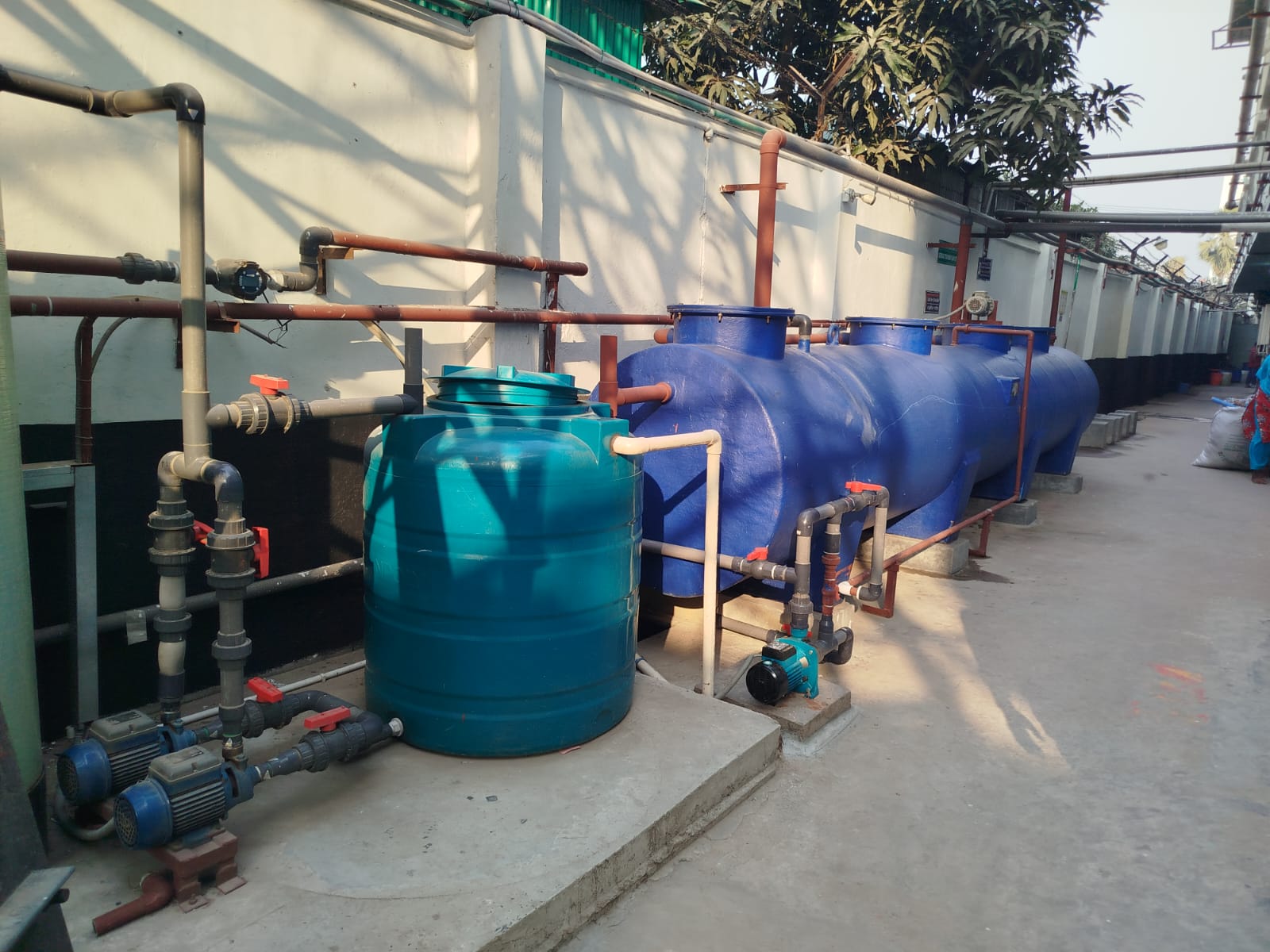
STP
A Sewage Treatment Plant (STP) is a facility designed to treat domestic or municipal wastewater (sewage) to make it safe for discharge into the environment or for reuse in applications such as irrigation, flushing, or industrial processes. The treatment process typically involves primary, secondary, and sometimes tertiary stages. In the primary stage, large solids and grit are removed through screening and sedimentation. In the secondary stage, biological processes such as the Activated Sludge Process (ASP), Moving Bed Biofilm Reactor (MBBR), or Sequencing Batch Reactor (SBR) are used, where microorganisms break down organic matter (BOD and COD) in the wastewater. Tertiary treatment may include filtration, disinfection (chlorination or UV), and nutrient removal to further improve water quality. STPs are essential for urban areas, residential complexes, hospitals, and industries to prevent environmental pollution, reduce health risks, and conserve water through reuse. Proper operation and maintenance are critical, as untreated sewage can lead to waterborne diseases, foul odors, and contamination of natural water bodies.